South Carolina
Output
PALLAS
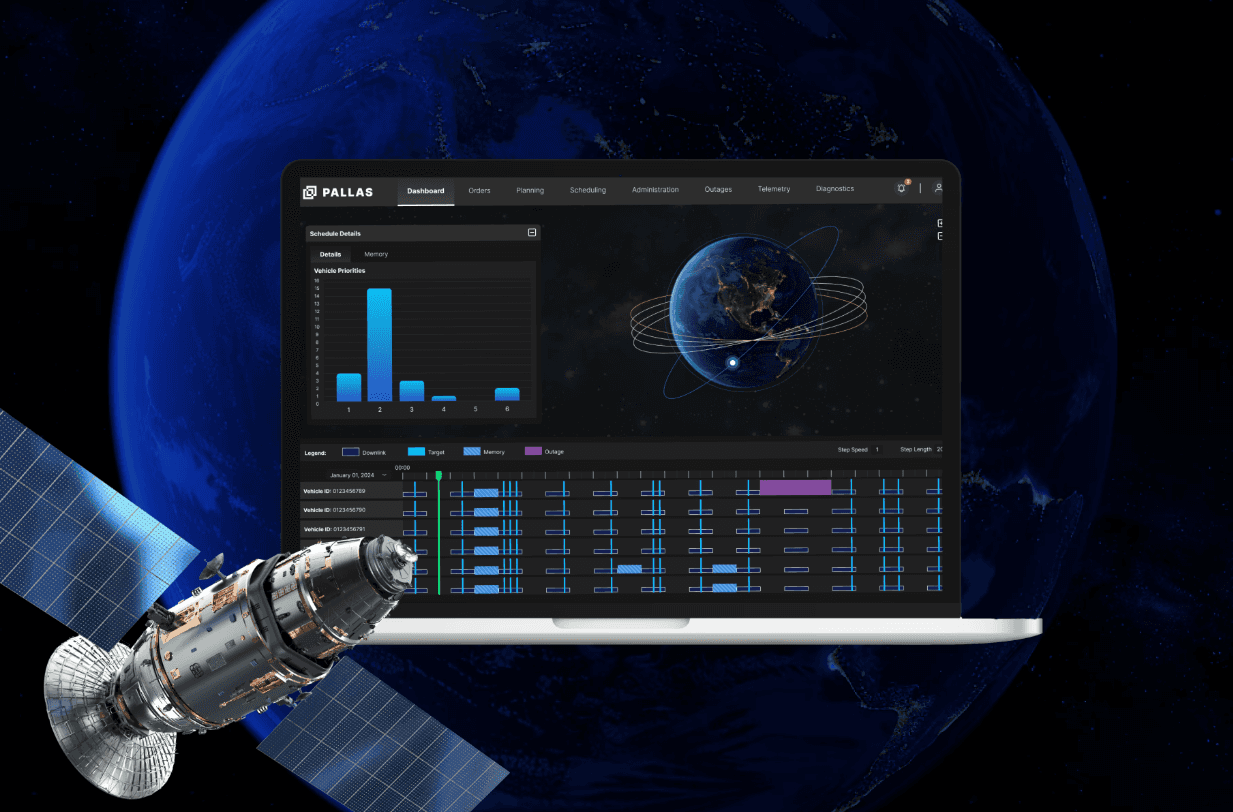
Designing machine learning–powered predictive diagnostics for satellite and ground station operations to enable proactive battle space management and mission readiness.

Categories
Enterprise Tool
Deliverables
End-to-End Enterprise Tool
Timeline
2 years - 2019-2021
Project SCALE
The platform supported:
Satellite operations
Ground station monitoring
Predictive diagnostics
Training simulations
Cross-sector operations (military, education, agriculture)
Intro
The Battle Space Management (BSM) initiative focused on modernizing a decentralized satellite operations and predictive diagnostics system used to monitor, manage, and protect critical space assets. The platform supported satellite maneuvering, collision avoidance, and ground station maintenance across military, education, and agricultural sectors. As UX Lead and Software Engineer, I led the effort to reduce operational complexity, improve usability, and introduce a modern, data-driven platform that supported mission-critical decision-making.
The Outcome
Centralized battle space management platform
Streamlined operational workflows
Improved usability and learning curve
Introduced predictive diagnostics
Increased operational efficiency
Purpose
Modernize an outdated battle space management system
Streamline satellite and ground station operations
Reduce complexity in mission-critical workflows
Improve usability and adoption across sectors
Introduce predictive diagnostics for operational efficiency
CHALLENGE
Outdated decentralized system
Complex satellite operational workflows
High learning curve for users
Multiple sectors with different needs
Mission-critical environment requiring reliability
The legacy system was difficult to learn, required complex inputs, and created navigation challenges that impacted user adoption and operational efficiency.
The Strategy
The strategy focused on centralizing operations, simplifying workflows, and introducing predictive diagnostics while maintaining mission-critical reliability.
My Role
UX Lead & Software Engineer
Led UX strategy and execution
Defined product vision and platform direction
Facilitated cross-functional collaboration
Introduced UX into agile development process
Guided research, design, and validation
The Business Context
Satellite operations require continuous monitoring and rapid decision-making to protect space assets from threats such as solar flares, debris, and system failures. The existing system relied on outdated, decentralized interfaces that created operational inefficiencies and increased risk during critical missions. The organization needed a centralized, modern platform to support real-time decision-making and predictive diagnostics.
Team StructUre
UX Lead & Software Engineer
2 UX Designers
2 Front-End Developers
4 Backend Developers
Database Architect
Machine Learning Engineer
Objectives
Centralize satellite operations and monitoring
Improve operational efficiency and decision-making
Reduce training time for new operators
Enable predictive diagnostics for maintenance
Improve cross-sector collaboration
Strategic Importance
This project supported mission-critical satellite operations across multiple sectors. Improving usability and operational efficiency directly impacted the reliability and safety of satellite assets, making modernization essential for long-term operational success.
Project Ecosystem
Key Obstacles
Project Leadership Philosophy
The project required guiding teams through complex aerospace operations while ensuring usability improvements did not compromise mission-critical workflows. My leadership approach focused on collaboration, clarity, and iterative validation.
Team Leadership Approach
Facilitated cross-team workshops
Introduced UX into agile workflow
Guided teams through complex domain knowledge
Encouraged collaborative decision-making
This was the first time UX was integrated into the system’s agile process, transforming how teams planned and validated solutions.
Strategic Leadership Approach
Connected business goals to user workflows
Introduced data-driven design decisions
Guided modernization strategy
Established collaborative development process
Cross-Functional Leadership Approach
Partnered with engineering and ML teams
Facilitated stakeholder alignment
Led cross-disciplinary workshops
Managed domain complexity
STRATEGY PRINCIPLES
Centralization
Unify decentralized tools into one platform
Data-Driven Decisions
Leverage predictive diagnostics
Modular & Scalable
Support evolving satellite operations
Real-Time Awareness
Enable near real-time notifications
Flexible & Customizable
Support multiple sectors and workflows
EXPERIENCE STRATEGY
Simplify complex operational workflows
Reduce cognitive load for operators
Improve learnability
Support mission-critical decision-making
PLATFORM STRATEGY
Centralized architecture
Predictive diagnostics integration
Modular platform design
Real-time data infrastructure
The Execution
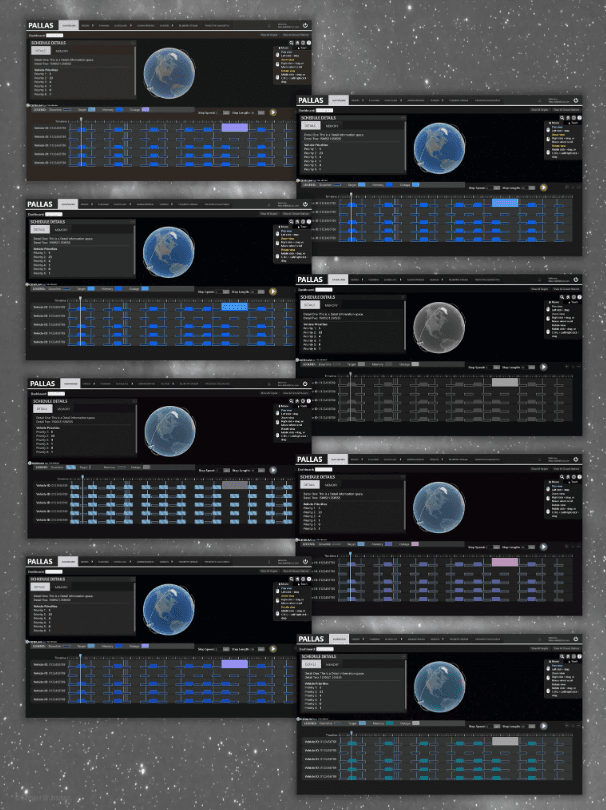

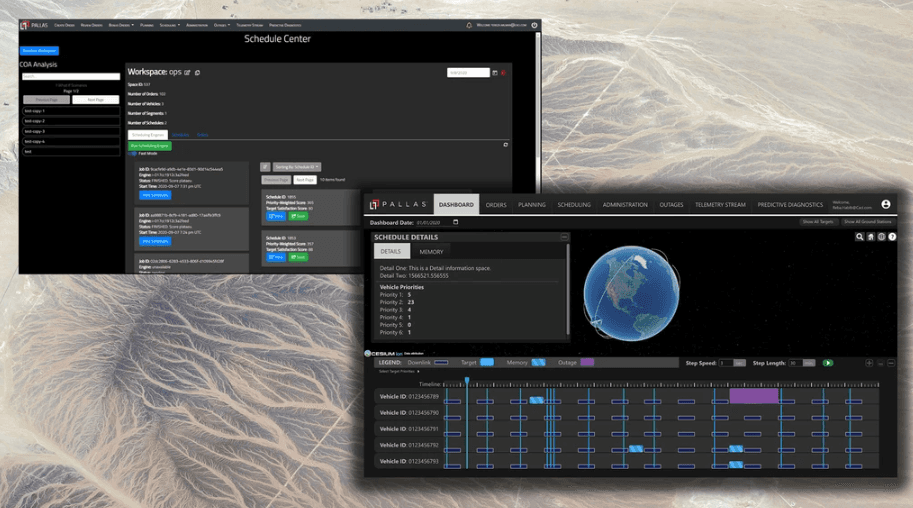
Key Activities
Conducted user research
Facilitated workshops
Defined IA structure
Iterative validation
Agile delivery
Strategic Implementation
Listen
Understanding user needs and domain complexity
Iterate
Collaborative ideation workshops
Validate
Testing before development
Deliver
Improved usability and operational efficiency
Outcomes & Impact
93% task completion rate (up from 32%)
9/10 user satisfaction rating
Improved cross-sector collaboration
Reflection and Growth
This project reinforced the importance of:
Domain understanding
Cross-disciplinary collaboration
Iterative validation
Research-driven decision-making
The experience strengthened my ability to lead complex, mission-critical systems across industries.